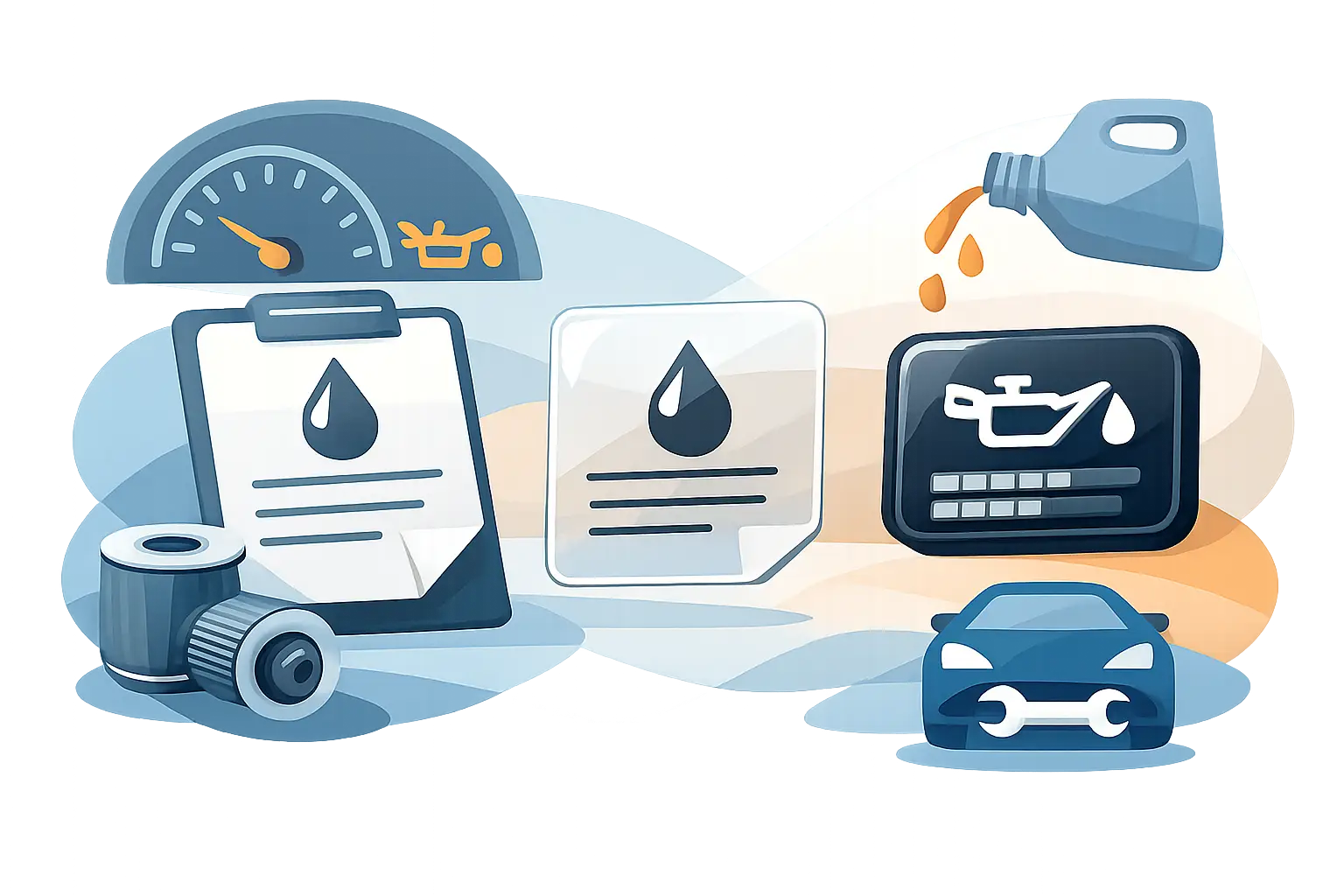
A service reminder sticker may be small, but it has one job that directly supports your next appointment: stay visible and readable until the customer needs service again. This automotive reminder sticker material guide explains what matters when choosing labels for windshields, door jambs, tire storage, maintenance notices, and other shop applications.
The best material is not always the thickest or most expensive option. It is the one that applies cleanly, holds where it should, removes when it should, and keeps your shop name and service details legible through heat, cold, sunlight, cleaning, and everyday use.
Start With Where the Sticker Will Be Used
Material selection starts with the application surface. An oil change reminder placed inside a windshield faces different conditions than a tire re-torque label applied near the driver’s door or a tire storage identifier used in a warehouse. Choosing one material for every job can create unnecessary cost in some cases and disappointing performance in others.
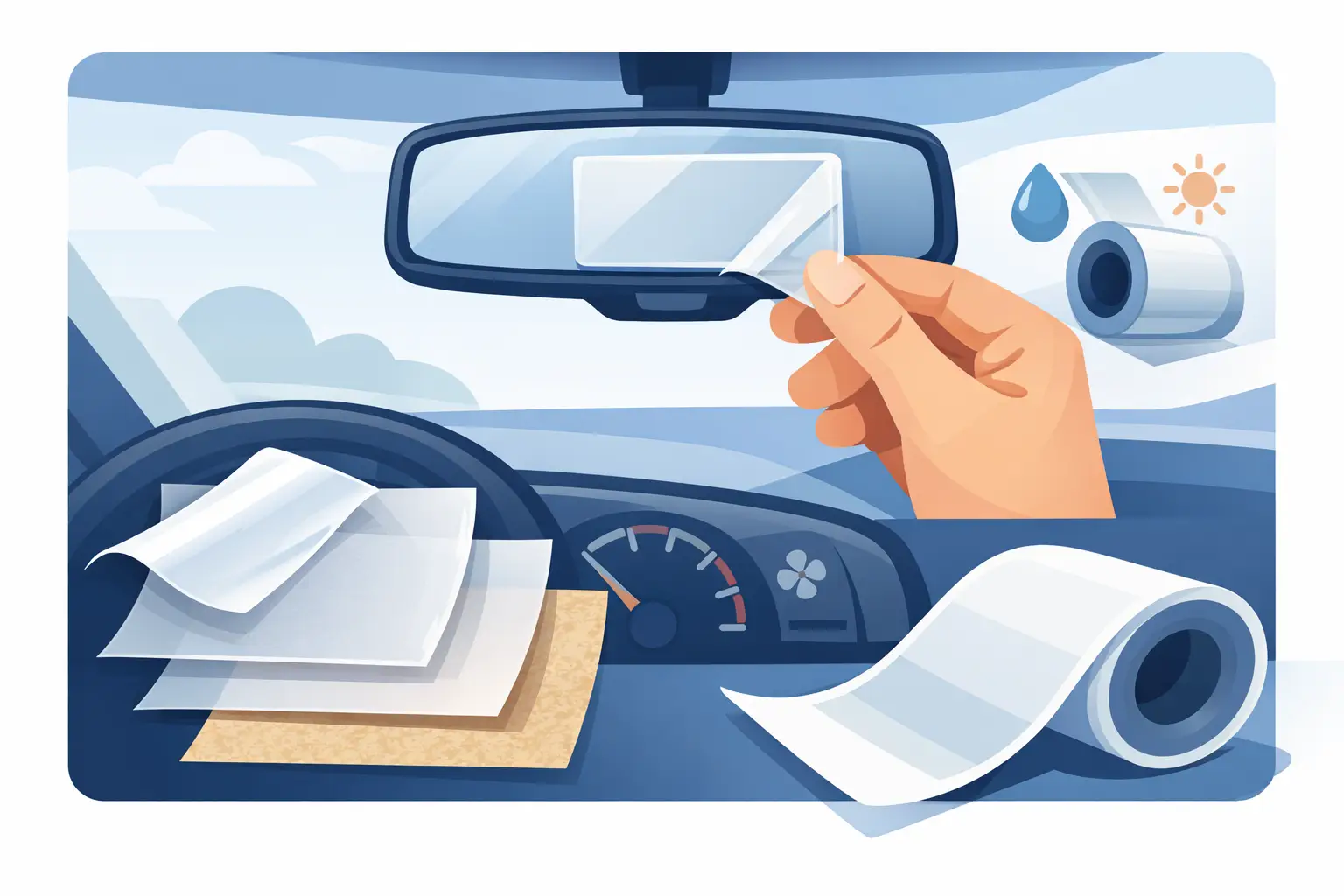
For windshield reminders, the sticker is typically applied to the inside of the glass and read from outside the vehicle. The material needs a clean, removable adhesive and a print surface that stays readable under prolonged sun exposure. It should also remove without turning into a scraping job when the customer returns for service.
For door-jamb, under-hood, or other vehicle-adjacent applications, moisture resistance and stronger adhesion may matter more. These areas can see temperature swings, cleaning chemicals, road dust, and repeated contact. A basic paper label that performs well on a clean, dry indoor surface may not be the right choice there.
Tire storage labels have their own requirements. They need to remain attached and readable while tires are moved, stacked, stored, and retrieved months later. A durable synthetic stock is usually a better fit than a standard paper label, especially in shops where tire storage areas may be dusty, cold, or humid.
Automotive Reminder Sticker Material Guide: Core Options
Most automotive service businesses will choose between paper, synthetic film, and static cling materials. Each has a practical place in a busy operation.
Paper Labels for Short-Term, Controlled Use
Paper is economical, easy to print, and works well for many indoor or protected reminder applications. It is a practical choice when labels are applied to clean glass, used for a defined service interval, and not exposed to direct moisture or harsh handling.
A paper reminder sticker can be an efficient option for high-volume oil change programs, particularly when the label is applied inside the windshield and replaced at the next visit. It also provides a good writing surface for handwritten mileage, dates, technician initials, and service notes.
The trade-off is durability. Paper is more vulnerable to moisture, abrasion, and damage than synthetic materials. If your sticker will be exposed to wet conditions, frequent wiping, or rough handling, it is worth moving to a film-based stock.
Vinyl and Synthetic Films for Demanding Conditions
Vinyl and other synthetic materials are built for jobs where paper is likely to fail. They resist moisture better, tolerate temperature changes, and hold up to routine handling. For service reminders that may encounter water, oils, or cleaning products, a synthetic label provides more security.
These materials are especially useful for tire labels, under-hood maintenance notices, detailing reminders, equipment labels, and operational stickers used around the shop. They also tend to look cleaner for longer, which matters when the label carries your dealership or shop identity.
Synthetic material does not automatically mean permanent adhesive. You can pair a durable film face stock with an adhesive designed for clean removal, depending on where the sticker will be placed. That combination is often useful when you need a professional-looking label that lasts through the service cycle but does not leave residue behind.
Static Cling for Glass Applications
Static cling material adheres to smooth glass without adhesive. It is commonly used for windshield reminders because it can be removed and repositioned easily. There is no adhesive residue, which can be a real advantage for customer-facing applications.
Static cling works best on clean, smooth interior glass. It is not the right material for textured surfaces, dirty glass, or exterior locations exposed to heavy weather. It can also lose holding power when handled repeatedly or applied to a surface with dust, silicone residue, or moisture.
For shops that want the simplest possible windshield application and removal process, static cling is a strong option. For applications that need more holding power over time, a removable adhesive label may be the better fit.
The Adhesive Matters as Much as the Face Stock
A quality reminder sticker is a material-and-adhesive system. A durable film with the wrong adhesive can still curl, fall off, leave residue, or become difficult to remove. Before ordering, decide whether the label needs to be removable, repositionable, or permanent.
Removable adhesive is usually the practical choice for oil change and maintenance reminder stickers. Your customer should be able to remove the old sticker after service without damaging glass or spending time on cleanup. However, removable does not mean weak. A good removable adhesive should hold reliably throughout the expected service interval when applied correctly.
Permanent adhesive is better suited to labels intended to remain in place for a long time, such as certain dealer identification labels, operational decals, or equipment markings. Use it carefully on customer vehicles. A permanent label may create a complaint if it is difficult to remove later.
Application conditions affect adhesive performance. Glass should be clean and dry before a sticker goes on. Cold surfaces, wax, dashboard dressings, glass cleaner residue, and dust can all reduce adhesion. Training staff to wipe the placement area first is a small step that prevents avoidable failures.
Plan for Sunlight, Temperature, and Legibility
A windshield can become extremely hot in summer and very cold in winter. Labels used in Canada and the United States need materials and inks that can handle seasonal variation without fading, cracking, or lifting at the edges.
Print quality matters here. High-contrast text is easier for customers to read at a glance, especially through glass. Black text on a light background remains one of the most practical formats for dates, mileage, and recommended service information. Your logo and brand colors should support the message, not compete with it.
Leave enough open space for handwritten information if technicians fill in service details manually. Glossy coated stocks can look polished, but some pens and markers may smear or take longer to dry. If handwriting is part of your process, test the exact marker your team uses on the final material before committing to a large run.
For printed variable information, confirm that small text remains clear. A sticker that looks sharp on a screen can become hard to read when the appointment date, mileage, phone number, and service interval are all compressed into a small space.
Match the Material to Your Service Process
The right sticker should make the service lane faster, not add another decision for technicians. If your team applies hundreds of oil change reminders every week, a straightforward, easy-peel windshield material may be the best operational choice. If you run seasonal tire storage, a tougher stock that survives handling and storage may produce fewer identification problems later.
Consider how the label is dispensed as well. Roll labels are efficient for repeat-use shop processes because technicians can pull, write, and apply without handling individual loose stickers. Sheet labels may be suitable for lower-volume needs, special promotions, or multiple reminder types used at one workstation.
Standardizing materials where possible also helps. A shop may use one proven removable windshield stock for oil changes, tire rotations, and detailing reminders, then reserve durable synthetic labels for tire storage and harsher applications. That approach keeps ordering simple while still using the right product for each job.
Do Not Let Price Alone Set the Specification
The lowest-cost label can become expensive if it falls off before the next service interval or creates a messy removal experience. On the other hand, using heavy-duty film for a short-term indoor reminder may add cost without delivering a meaningful benefit.
Think in terms of total usefulness: clean application, readable information, reliable service life, fast replacement, and a professional appearance. Those details support customer retention because the reminder stays in front of the driver at the moment it matters.
StickerPlanet Canada produces practical automotive reminder stickers for real shop workflows, with material options suited to routine service communication and repeat ordering. The right choice depends on your placement, service interval, and how your team applies labels day after day.
Before placing your next order, test one sample in the actual conditions your sticker will face. Put it on clean glass, write on it with your standard marker, expose it to a normal service cycle, and remove it. A few minutes of testing can save months of reorders, rework, and missed reminders.