A customer pulls into your shop because a maintenance light came on. They may know the vehicle needs attention, but they often do not know what the light means, whether service is overdue, or when they should come back. That is when should shops use maintenance light labels: when a simple, visible reminder can turn a vague dashboard warning into a clear next step.
For oil change centers, repair shops, tire shops, and dealership service departments, these labels support the conversation that happens at the counter. They give customers a reference point after they leave, reinforce the recommended interval, and keep your shop’s information in front of them when the next service question comes up.
What Maintenance Light Labels Are Designed to Do
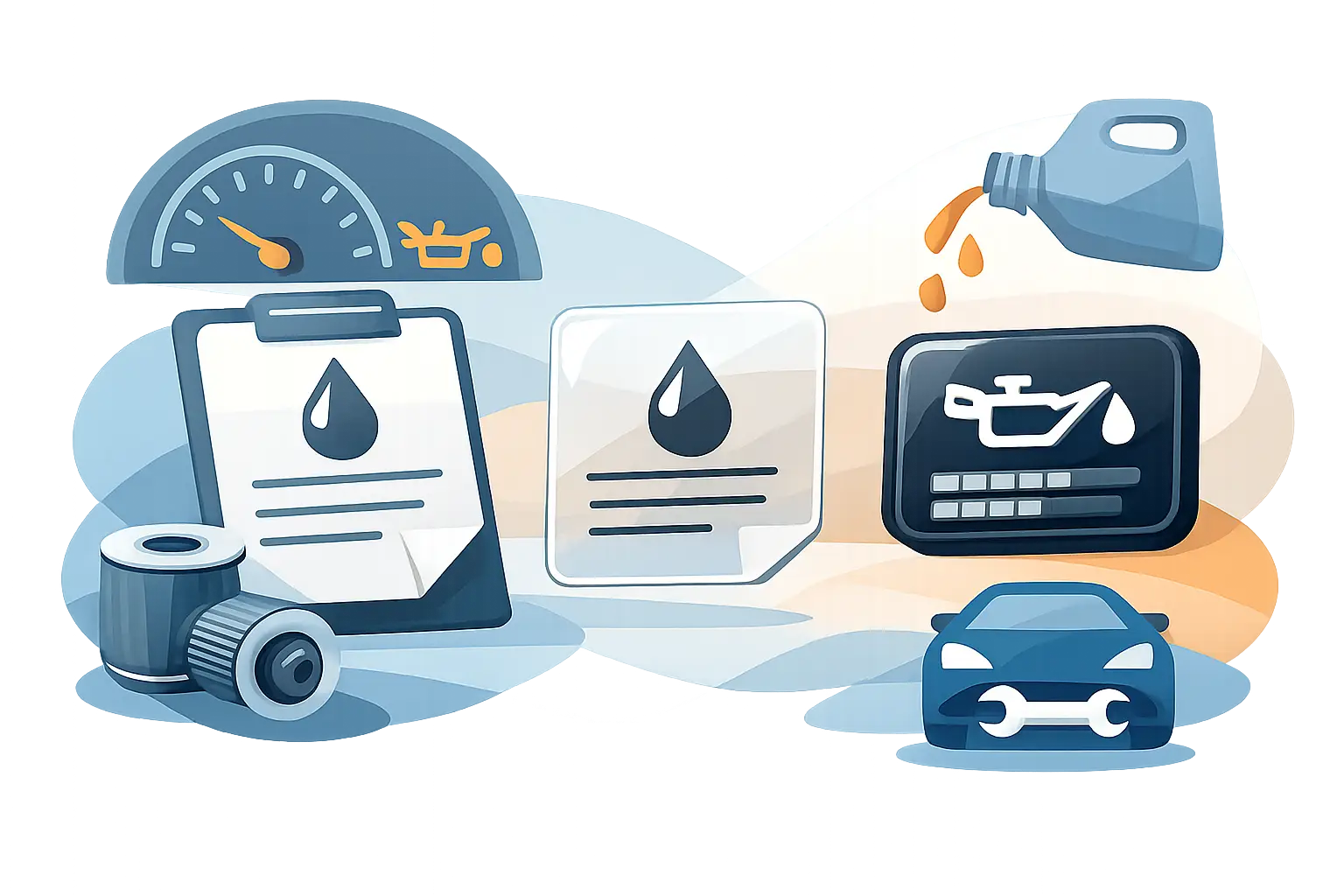
Maintenance light labels are service reminder stickers made for vehicles with dashboard maintenance indicators. Depending on the vehicle and the label design, they can explain that a maintenance reminder has been reset, identify the next recommended service mileage or date, and provide the shop’s name and contact information.
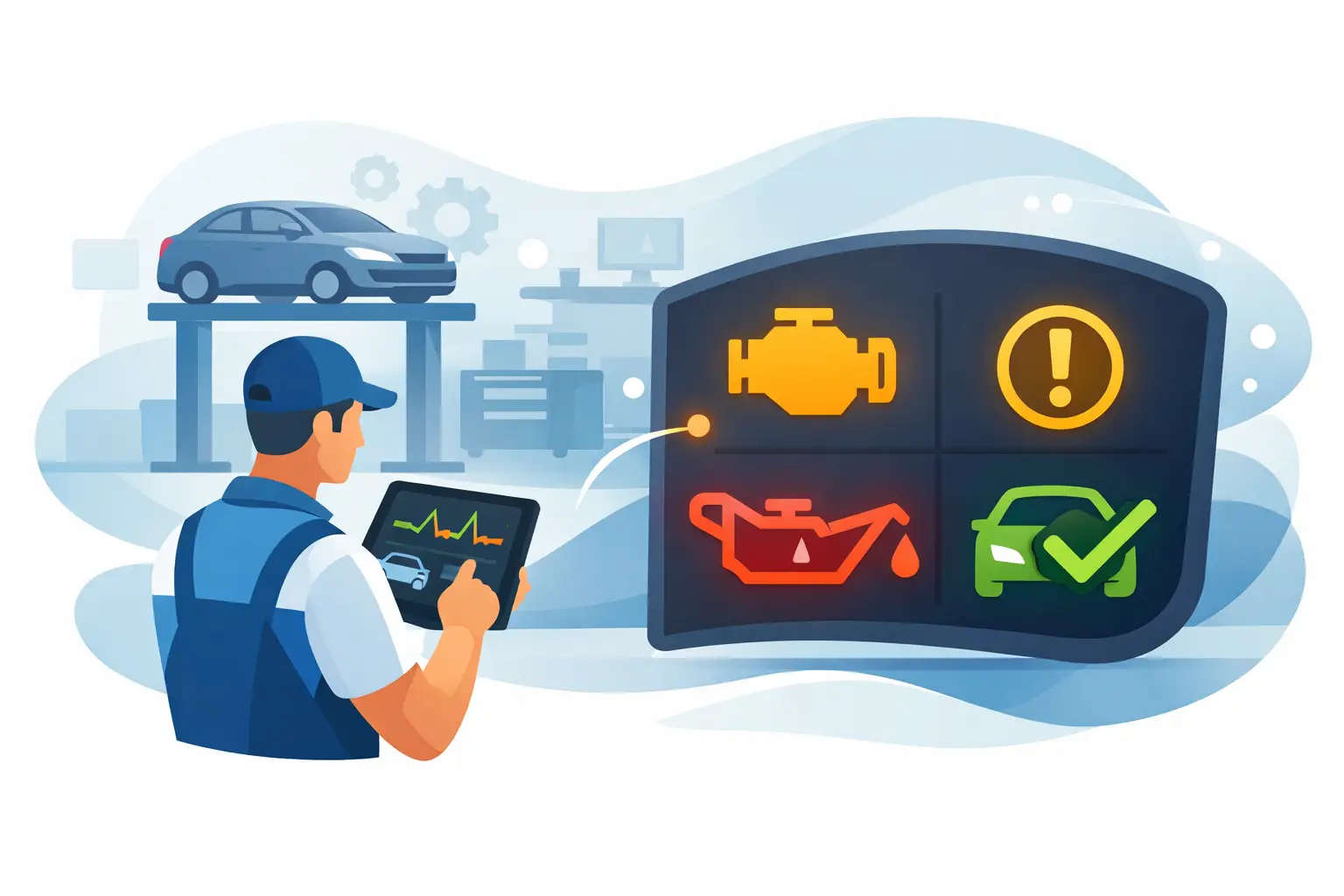
They are not a substitute for diagnosing a check engine light, brake warning light, tire pressure warning, or other fault indicator. That distinction matters. A maintenance reminder generally tracks a scheduled service interval, while a warning light can signal a mechanical, safety, or emissions-related issue that needs proper inspection.
A clear label helps prevent confusion. It tells the customer that the shop completed routine maintenance and gives them an easy way to remember when to return. It also reduces the chance that a customer assumes every illuminated dashboard symbol means the same thing.
When Should Shops Use Maintenance Light Labels?
The best time to use a maintenance light label is immediately after completing a scheduled service and resetting the vehicle’s maintenance reminder, when applicable. The label gives the customer a physical record that matches the work performed and the recommendation made by your service advisor or technician.
They are especially useful after an oil and filter change, factory-scheduled maintenance visit, multipoint inspection, tire rotation performed as part of regular service, or a mileage-based service package. If your shop resets a maintenance light as part of the visit, adding a label creates a more complete handoff.
The label works best when the next service interval is easy to state. For example, a customer may be due back at a specific mileage, within a certain number of months, or according to their vehicle’s oil-life monitor. Your team can write in the relevant mileage, date, or service recommendation rather than leaving the customer to remember a verbal instruction.
This is also a practical choice for busy quick-lube operations. Customers may be in and out in a short time, often without a long discussion of manufacturer schedules. A properly placed reminder label reinforces the essential information without slowing down the lane.
Use Them When the Customer Needs a Clear Distinction
Some customers call any dashboard message a “maintenance light.” Others may confuse a routine service reminder with a warning that requires immediate attention. Shops should use maintenance light labels when the completed work needs a simple explanation, particularly after resetting a scheduled maintenance indicator.
The language on the label should stay precise. It can state that the maintenance reminder was reset and indicate the recommended return interval. Avoid wording that suggests all dashboard warning lights are normal or that a customer should ignore a light that comes back on. If a warning light remains illuminated or returns quickly, the customer should be advised to contact the shop for diagnosis.
Use Them for Return-Visit Planning
A service reminder is more effective when it gives the customer one action to take: return at the listed mileage or date. Maintenance light labels are useful for shops that want a consistent retention tool without relying only on text messages, email campaigns, or a customer’s memory.
That does not mean every vehicle should receive the exact same interval. A high-mileage commuter, a vehicle used for towing, a commercial fleet unit, and a lightly driven personal vehicle can have different service needs. The label should support your shop’s recommendation, not replace good judgment or the vehicle manufacturer’s maintenance requirements.
When a Standard Oil Change Sticker May Be the Better Choice
Maintenance light labels and oil change stickers overlap, but they do not always serve the same purpose. A standard oil change sticker is often the better choice when the primary message is simply the next oil service date and mileage. It is familiar to customers and quick for staff to complete.
A maintenance light label adds value when the vehicle has a specific maintenance indicator that was reset, or when customers regularly ask about the message on their dashboard. Shops that service late-model vehicles with oil-life monitoring systems may find these labels particularly helpful because the interval is not always a fixed 3,000- or 5,000-mile schedule.
For some operations, using both makes sense. The oil change sticker provides the next service reference, while the maintenance light label explains the dashboard reminder. The trade-off is windshield space. Too many stickers can look cluttered, make information harder to read, and reduce the professional appearance of the vehicle handoff.
Choose one well-designed label when the information can be communicated clearly in a single place. Use two only when each label has a distinct purpose and your service process supports it.
Build Maintenance Light Labels Into the Service Process
The label is most useful when it is part of a repeatable workflow, not an afterthought. The technician or advisor should confirm the service performed, reset the appropriate maintenance reminder if the vehicle allows it, and record the next recommended mileage or date before applying the label.
Placement should be consistent. Most shops use the upper driver-side area of the windshield where the customer can see it without blocking visibility. Keep the surface clean and dry before application so the label stays in place. A durable, easy-to-write label matters because faded print or smeared handwriting defeats the purpose of the reminder.
Your team should also use consistent wording at checkout. A straightforward line such as, “We reset your maintenance reminder and noted your next recommended service on the windshield label,” makes the label feel intentional. Customers are more likely to notice and use it when it is mentioned directly.
For shops with several technicians or service writers, standardized labels help keep the customer experience consistent. Every vehicle receives the same clear format, whether the service was performed during a rush on Saturday morning or a quieter weekday appointment.
What Information Belongs on the Label
A maintenance light label should be easy to understand at a glance. The most useful details are the recommended return mileage or date, the service type, the shop name, and a phone number or other contact detail. If there is room, include a brief note that the maintenance reminder was reset.
Customization is valuable when your shop wants the label to match its other service materials. Your logo, business information, and service message make the sticker more than a generic reminder. It becomes a small but consistent piece of your customer retention system.
At the same time, do not overload the label. Long disclaimers, multiple offers, and too many service categories make it harder for a customer to find the one detail they need. The strongest design answers three questions quickly: What was done? When should I return? Who do I call?
Common Mistakes That Reduce Their Value
The biggest mistake is applying a maintenance light label without resetting the applicable reminder. If the customer sees the same message immediately after service, the label can create more questions than confidence. Always verify the reset procedure for that vehicle and document exceptions when a system cannot be reset.
Another mistake is using generic intervals for every vehicle without considering oil type, driving conditions, manufacturer guidance, and the services completed. A printed reminder should never override a legitimate maintenance requirement. It should make your professional recommendation easier to follow.
Finally, make sure staff understand the difference between a maintenance reminder and a diagnostic warning. If a customer reports a check engine light, ABS light, battery light, or another warning indicator, the right next step is inspection and diagnosis – not simply adding a maintenance sticker.
Maintenance light labels earn their place in a shop when they make the next service decision easier for the customer. Keep the message clear, match it to the work completed, and use a durable label that reflects the same dependable standard customers expect from your service team.